
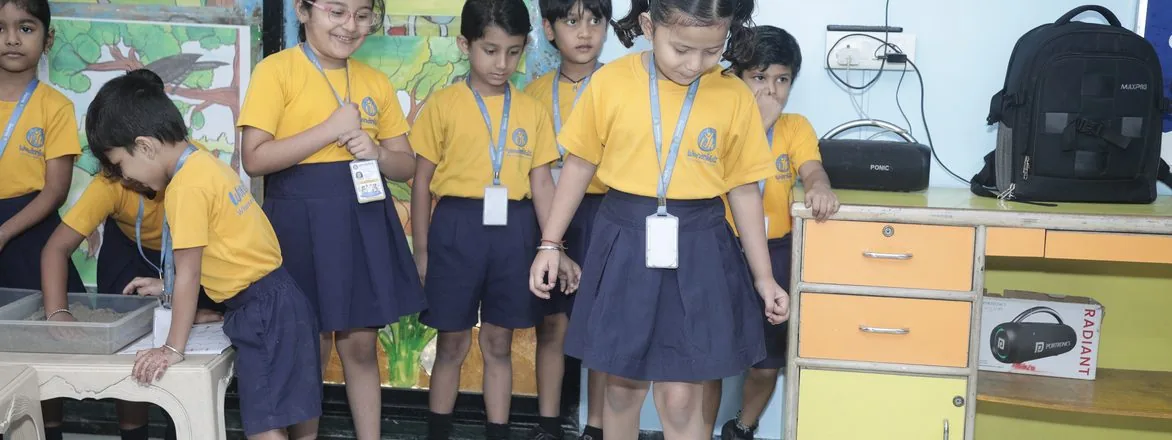
Choosing a preschool is one of the first big decisions parents make. The years before formal schooling are some of the most important in a child's life, and a good preschool gives children a joyful, structured place to grow. This guide explains the importance of preschool, the key benefits of preschool education, and what to look for in a preschool programme near you.
What Is Preschool and Why Does It Matter?
Preschool is early childhood education for children before they start primary school. Through play, stories, music and group activities, children build the habits, skills and confidence they need for school and life. Quality matters as much as attendance: a warm, play-based classroom with trained teachers and a clear curriculum is what turns the preschool years into a real head start.
Early Brain Development in the Preschool Years
Early childhood is a critical period for brain development. Play-based learning such as puzzles, stories, songs and building challenges helps children form the connections that support memory, attention and problem-solving. Rich, hands-on experiences at this age shape how children learn for years to come.
Social and Emotional Development
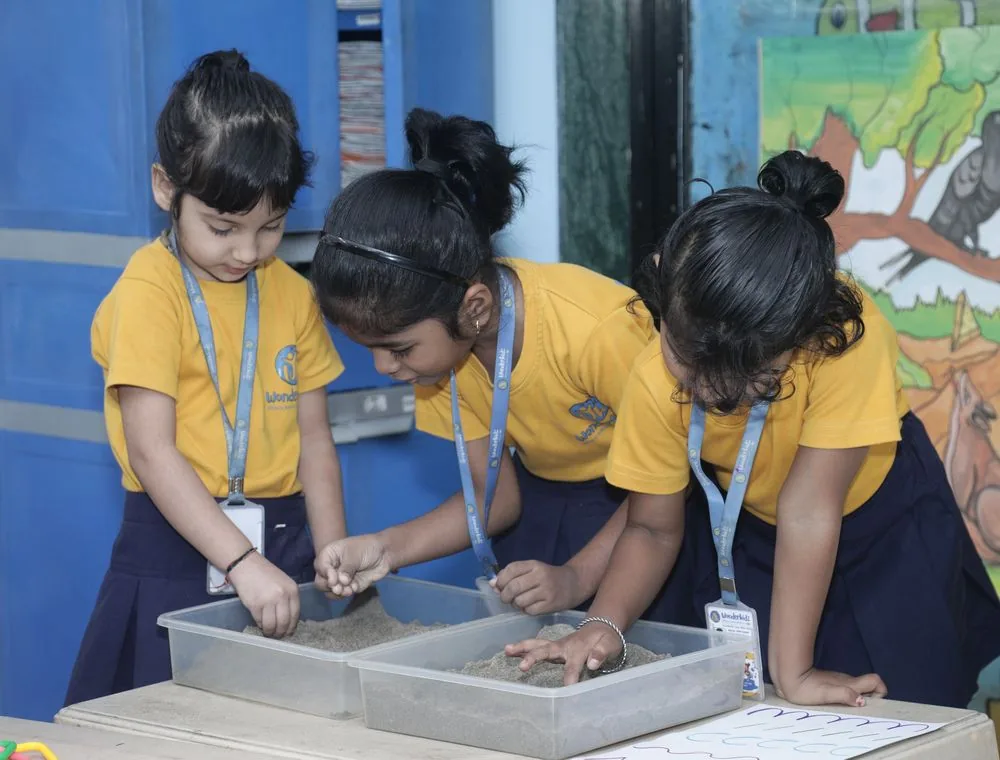
In preschool, children learn to share, take turns, make friends and express their feelings. These everyday experiences build social skills and emotional intelligence that stay with them for life, and help them feel at ease away from home.
School Readiness: Preparing for Primary School
School readiness is about more than ABCs. Preschool introduces routines, listening, early literacy and numeracy in a gentle way, so children feel confident and ready when they move on to formal education. Children progress through stages such as Playgroup, Nursery, Junior KG and Senior KG, each building on the last.
Language and Communication Skills
Conversations, rhymes, storytelling and show-and-tell grow a child's vocabulary and confidence in speaking, skills that strongly support later academic success.
Creativity and Critical Thinking
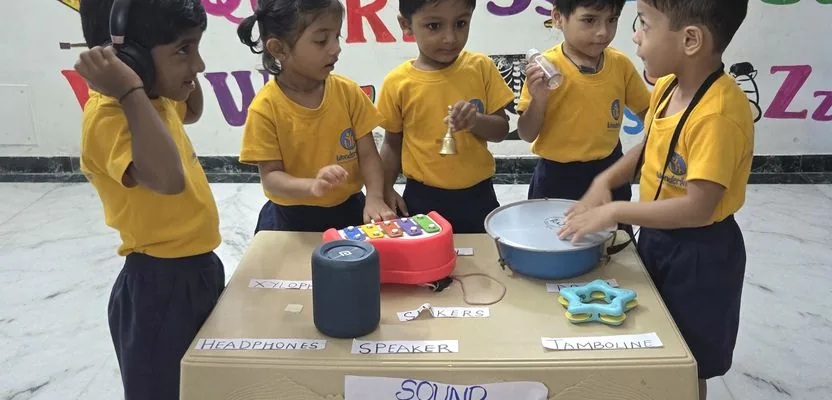
Art, music, pretend play and hands-on exploration encourage children to ask questions, try ideas and think for themselves. Our multiple intelligences curriculum nurtures each child's own strengths, from music and movement to logic and language.
Independence and Self-Confidence
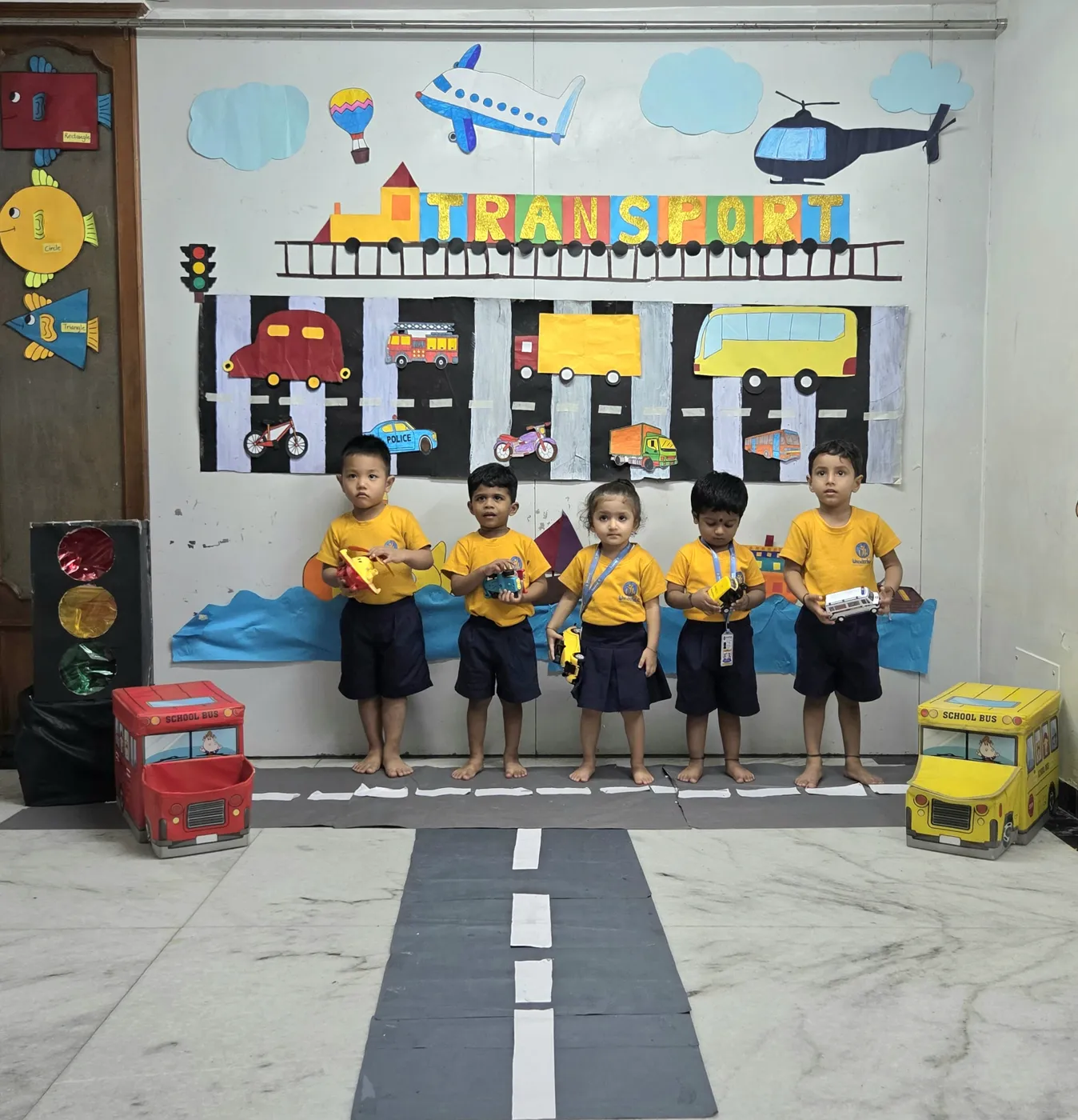
Simple responsibilities, like packing their bag, choosing an activity or helping a friend, help children become independent and believe in their own abilities.
Cultural and Diversity Awareness
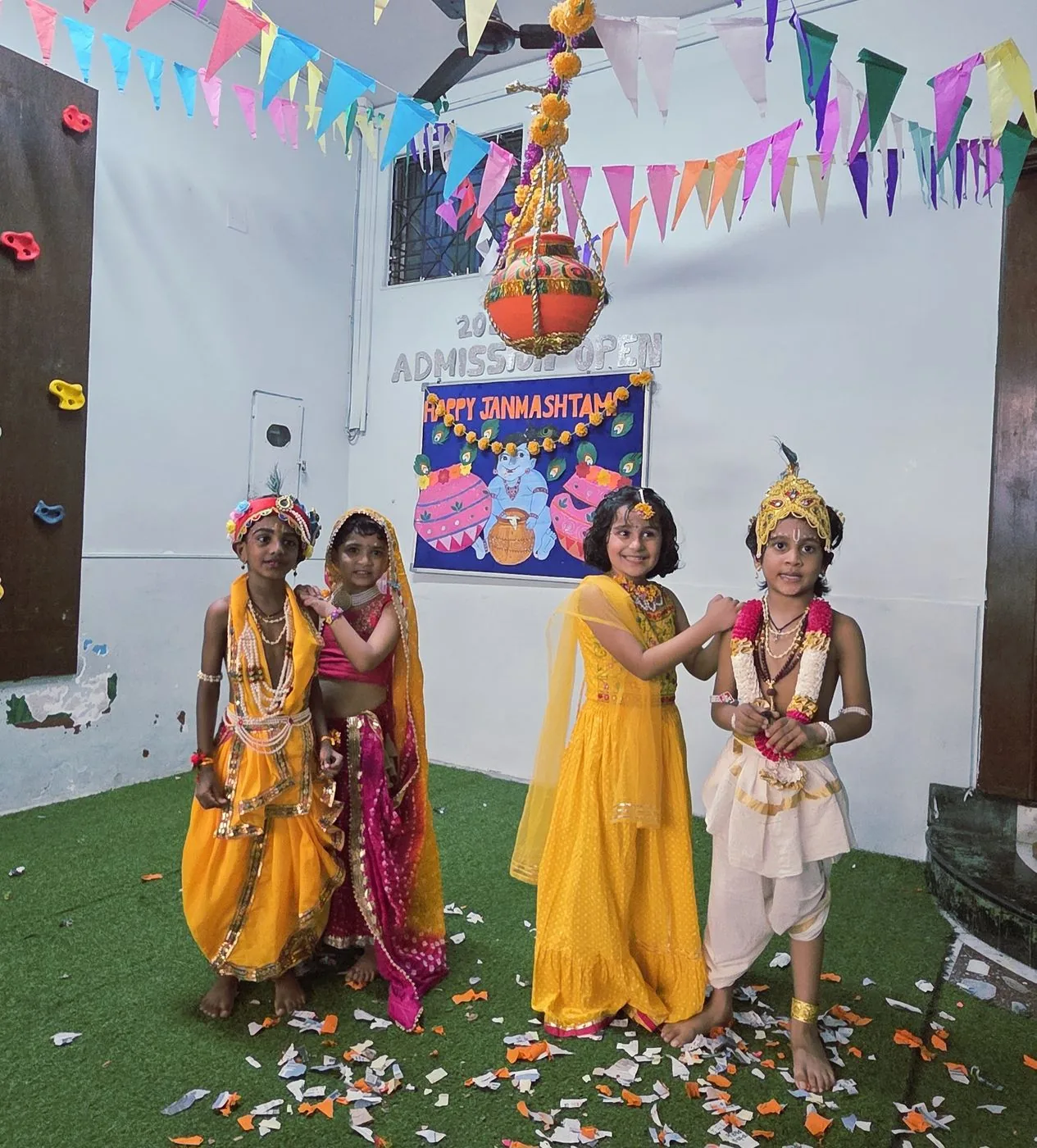
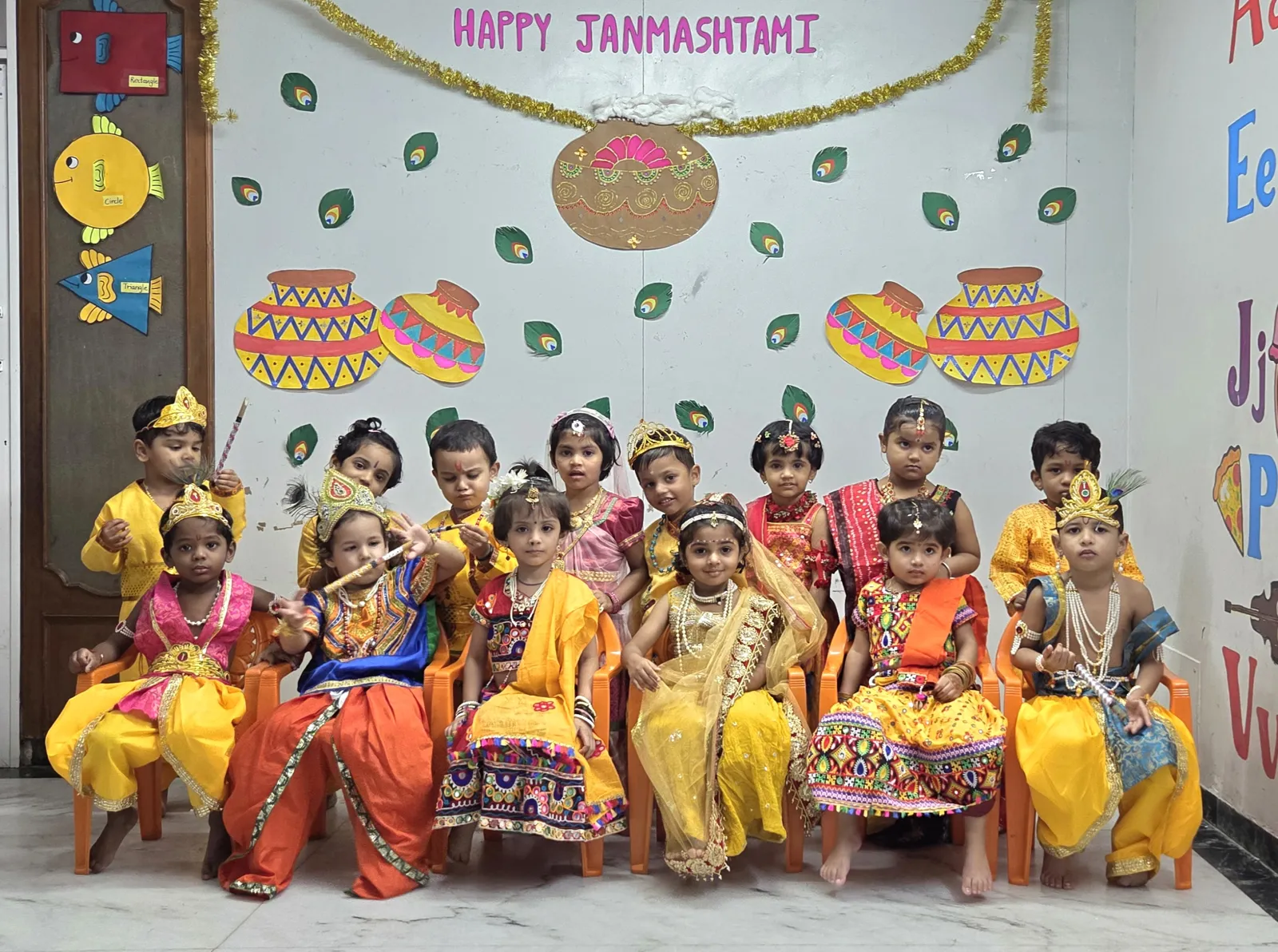
Celebrating festivals, traditions and differences in the classroom helps children appreciate the diverse world around them.
Parental Involvement
Preschool works best as a partnership with families. Read more in our article on how parental involvement happens in preschool.
Early Intervention and Special Needs
Attentive teachers can notice when a child may need extra support, so developmental needs can be identified and addressed early.
How to Choose the Best Preschool Near You
When comparing preschools in Nerul, Navi Mumbai or anywhere else, look for:
- A play-based, age-appropriate curriculum with clear learning goals
- Caring, trained teachers and a healthy teacher-to-child ratio
- A safe, clean and stimulating classroom and play space
- Regular, open communication with parents
- Flexible options such as daycare for working families
Quality early education plays a pivotal role in a child's development and future success. At Wonderkidz, every child is a star. Visit our centres in Nerul, Kharghar, Kalyan and Kopar Khairane, or enquire about admissions to see our classrooms for yourself.
Frequently Asked Questions
What is the right age to start preschool?
Many children start preschool between about 2.5 and 3 years, but the right time depends on the child and the programme. Wonderkidz offers a Toddler Program, Playgroup, Nursery, Junior KG and Senior KG. Contact your nearest centre to find the right fit.
Is preschool necessary before primary school?
It is not compulsory, but a good preschool helps children build social skills, language, routines and confidence before formal schooling. The quality of the programme matters as much as attendance.
What is play-based learning in preschool?
Play-based learning teaches early skills through games, stories, music, art and hands-on activities instead of rote memorisation. Children stay curious and learn at their own pace.
How do I choose the best preschool in Nerul?
Visit in person, ask about the curriculum, teacher training, safety and parent communication, and see how children are treated in class. Compare a few centres before you decide.